
Watch Out for These Common but Fake Text Messages

Many people are hesitant to answer the phone these days. Whether it’s because of all the phone scams out there or because young people tend not to like phone calls, on average people are calling less and texting more. And scammers go where the people are, because that’s where the money is. Scam text messages are on the rise, and scammers are getting clever about them.
According to the FTC, the losses from scam text messages are huge and just going up. And it’s not just because people are used to texting and getting important legitimate messages via text. Scammers are using information from data breaches to personalize their ploys, convincing people they’re legitimate because they sound realistic and have real personal information. It’s important to be aware of this threat so you can protect yourself.
The Most Common Scam Text Messages Right Now
Scam text messages can be almost anything a scammer can come up with that might make you respond. But like many things, scams have trends. These are the big ones we’re seeing right now – and why they work so well.
Fake Alerts
Most of us are pretty familiar with getting important messages and alerts texted to us. Scammers capitalize on that by sending fake text alerts. These scam text messages are usually trying to make you scared that something bad has happened so you click their link or interact with the message.
Some of the common types of fake alerts are:
- Unpaid tolls or tickets: These are probably the most common type of fake alert right now. They want you to put in your payment information to pay the toll or fine.
- Fake purchase alerts: Usually a high dollar amount, these notices include instructions on what to do if you didn’t authorize the purchase. Sometimes these take the form of a fake subscription renewal for a subscription you don’t have or at a much higher amount than you expect.
- Fake fraud/suspicious activity alerts: Often these imitate banks claiming there was fraud on your account. But sometimes they claim that your social media account was locked for suspicious activity.
- Package delivery or customs notifications: These claim there was an issue with a package delivery or your package is stuck in customs, and you need to take action to get your package.
- Fake two-factor authentication: This especially devious ploy sends you a fake two-factor authentication code and asks you to take action if it’s not you trying to log in.
Deals or Opportunities
These scam text messages don’t rely on making you scared to get you to interact. They rely on your greed, excitement, hope, or curiosity. A form of baiting attack, scammers send you a text offering something good in hopes that you’ll take the bait and fall into their trap.
Some of the common stories with these scams are:
- Low or no-interest credit cards: They may say you’ve been pre-approved, and often use info from data breaches to make you think this great credit card offer is genuine.
- Student loan relief: Lots of people are struggling with student loan payments. Scammers hope you’re one of them and the potential for help will get you to click.
- Tax relief: Similar to student loan relief, if you owe a lot of taxes, reducing that debt sounds great. Scammers hope it sounds great enough to get you to fall for their trick.
- Prizes, gift cards, or coupons: These ploys offer a gift card, discount, coupon, opportunity to win something, or are sometimes just lottery scams claiming you’ve already won something.
- Job opportunities: Especially with so many people struggling to find work these days, scammers may reach out offering job opportunities – or even claiming they found your resume somewhere and want to jump straight to the interview.
Reasonable Everyday Messages
The most insidious scam text messages are the ones that aren’t obviously suspicious on the surface. They seem like ordinary, everyday, perfectly reasonable messages. Even if you’re aware of these kinds of scams, some of these messages may not look immediately suspicious. That’s why it’s important to be cautious.
Some of the common scam texts in this category are:
- Appointment reminders: Fake messages pretending to be appointment reminders and asking you to take an action to confirm or cancel the appointment.
- Product recall alerts: Often (but not always) for cars, these are especially convincing when scammers have real data on what car you drive.
- “Wrong number” texts: These messages are very clearly intended for someone else – and they look important. Scammers are hoping you’ll let them know it’s a wrong number so they can hook you into a conversation and then a scam.
- Urgent messages from loved ones: Often pretending to be a relative or friend asking for money because they’re in a bind, but sometimes these scam text messages imitate your boss asking you to send money or make a purchase for a critical business reason.
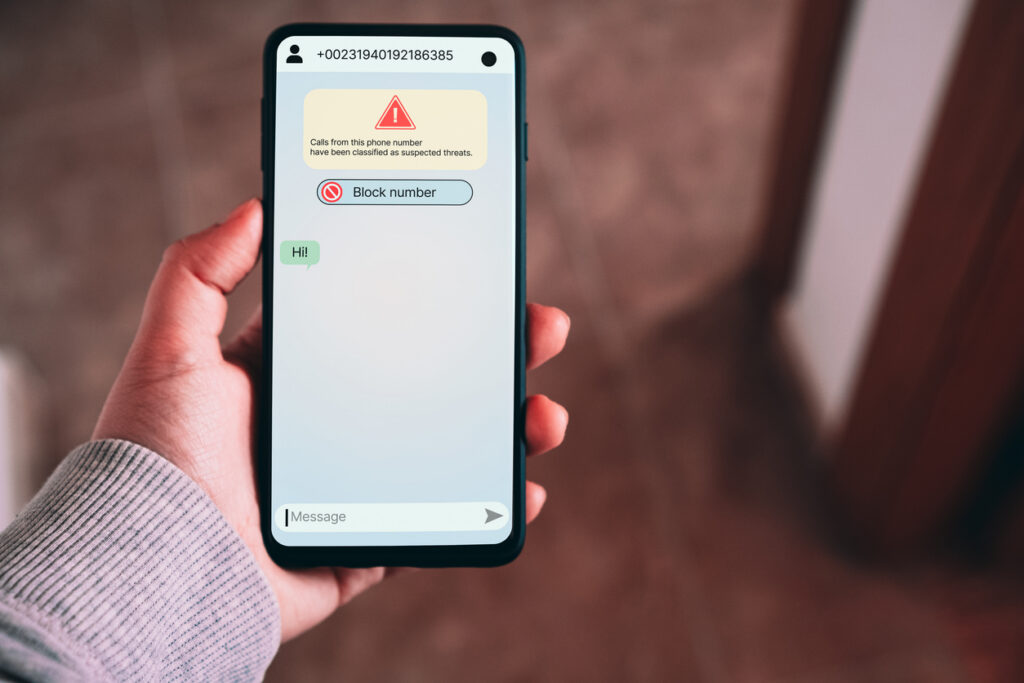
- Generic conversation starters: These are vague, no-context messages, often just “Hello” or “Hi.” Scammers hope to get you talking so they can gain your trust and hook you into a scam.
- Lost contacts: These fake texts personalize the message so it seems like the sender knows you. Scammers hope you’ll assume it’s someone you know but whose contact info you didn’t save so they can bait you into a conversation.
Why Scammers Send Scam Text Messages
Ultimately, scammers want money. That’s the reason they do what they do. The only differences are in the methods they use to trick you and what they’re after that will be profitable for them. And scam text messages have a lot of different options for profiting.
Probably the most common option is stealing your login information. That’s often the method fake alert texts use. The message includes a link to a fake website that looks like a real one. You think you’re logging into Amazon to report that you didn’t purchase three iPhones or to your bank to check on a fraud alert, but really you’re sending your login info to scammers. They can then use that to send themselves your money, make purchases on your account, or anything else they can think of to steal your money. Or in the case of unpaid toll, ticket, and sometimes package delivery messages, the links go to a site where you can put in your card information to pay – and scammers can steal it. (Less commonly, those links also download malware to try to steal your information.)
Another thing scammers go after is your personal information. This tends to happen with deal and opportunity messages. They may ask you to enter personal information to claim the deal or to “verify” yourself. Then they can use that info to steal your identity or sell it to other criminals who want to steal your identity.
A lot of the reasonable, everyday message type of text scams are designed to bait you into conversation. And that’s because a third option for profit is to use the scam text message as an opening for something else. They get you talking, gain your trust, and lead you into another scam, often a romance scam or crypto scam.
How to Identify a Scam Text Message
Identifying a scam text message can be tricky, especially because they so often look legitimate at the start. Even experts may get a few messages into an exchange before they realize something is fishy. But here are a few signs you can watch out for that may help you spot them.
- Unexpected: It’s always a good idea to be suspicious of unexpected messages, no matter how they arrive.
- Unknown sender: It’s also good practice to be very cautious if you get a message from a sender you don’t know or a company you don’t do business with.
- Want you to act: Whether it’s explicitly stated (“Click here to verify this purchase”) or just implied (an obvious wrong number waiting for you to say it’s a wrong number), scam texts always want you to do something.
- Open a link: Scam text messages are full of malicious links. Unfortunately, many legitimate reminder and alert texts have links, too. A link isn’t inherently bad, but you should be cautious.
- Pay: Many legitimate systems and organizations send bill reminders via text. Again, saying you need to pay something isn’t necessarily a scam – but you should proceed with caution.
- Signs of spam: Common signs of spam texts often apply to scam texts, too. Watch out for things like typos, weird branding, irrelevant messaging (like talking about your mortgage when you don’t own a house), and names of companies you don’t know or don’t do business with.
- Strong emotions: This is a very common sign of a scam. If a message makes you feel any strong emotion, positive or negative, be cautious.
- Getting chatty: Most people won’t try to strike up a conversation with someone they texted accidentally. They definitely won’t immediately send compliments. But scammers will.
What to Do When You Get One
Yes, we say “when” you get one and not “if” you get one because anybody who has a phone capable of receiving text messages is guaranteed to get a scam text message at some point – if you haven’t already! So it’s important to know what to do when it happens.
Just Don’t Interact
First, don’t interact with it whatsoever. Don’t click on any links. Don’t respond at all. Some scam text messages include a way to unsubscribe, but don’t do that either. If you respond or unsubscribe, you’ve let the scammers know that your number works and you’re someone who responds to texts. Even if you don’t get caught in that particular scam, they’ll use that knowledge to target you more.
Especially in the case of wrong number messages, it’s our human instinct to try to be helpful and let the person know they have the wrong number. But that just turns you into a target. Unfortunately, to keep yourself safe, it’s best to ignore it. If it’s really someone with the wrong number, they’ll figure it out themselves eventually.
Not Sure? Verify
If you’re not sure if the message is legitimate or not, verify it another way. Looks like it’s from your bank? Call your bank at a known trustworthy number or log into online banking or your banking app. Think your Temu package might actually be stuck in customs? Get the shipping info and look it up on the shipping company’s website. Looks like an appointment reminder from your doctor’s office? Call your doctor’s office. Boss or friend asking for money? Call or email them.
There is no legitimate text message you can get that can only be dealt with through text. A lot of businesses have online portals that you can use to verify things. If not, you can call. There are alternate ways to reach friends, family, and coworkers besides responding to a text. And even though we want to be helpful when we get a wrong number text, they can safely be ignored.
Report It
If you get a scam text message, you can report it! Most wireless companies support texting to 7726 (SPAM). Forward the scam text to that number, and it will help your wireless company improve their blocking technology to prevent future spam and scam texts. You can also report it as spam or junk in your messaging app, which should also give you the option to block future messages from that number.
Finally, you can report scam text messages to the FTC at reportfraud.ftc.gov and to the FCC at consumercomplaints.fcc.gov. Both of these will help law enforcement get a better understanding of the problem and allocate resources to fight it. And you can report scam texts even if you didn’t get caught in the scam or lose any money. (If you did get caught in it and lose money or give up personal info, also report it to your local police, your state’s Attorney General, and the FBI at ic3.gov.)
Protect Yourself from Scam Text Messages
Unfortunately, there’s no way to prevent 100% of scam text messages. Scammers are clever, and blocking technology is still lagging a bit behind their tricks. But there are things you can do to reduce the number of these messages you get – and protect yourself from the ones that do get through.
Set Up Protections
Some phones have the option to filter out or block calls and messages that are likely spam or scams, or even those from unknown senders. Check your phone’s settings to see if that’s an option. Many wireless providers have similar options, too. Reach out to them to see what kind of protections they have available.
There are also third-party apps that are designed to block scam calls and text messages. Since that’s what these companies focus on, they are often a little more thorough than phones’ built-in options or wireless providers’ services. They usually cost a little bit of money, but if you want the best possible protection, it’s a worthwhile investment. RoboKiller’s TextKiller service, Nomorobo, and YouMail all offer protections to keep scam texts from getting to your phone in the first place.
Be Cautious
It’s unfortunate that we live in a world where we have to be suspicious of every message we get. But with scammers’ tricks getting more realistic all the time, it’s essential to keep us safe. The old adage is “trust, but verify,” but these days a safer one is, “verify first, then trust.”
Be especially suspicious of any message from someone who isn’t in your contacts. Don’t trust the sender names – those can be spoofed. And be cautious of anything that wants you to act immediately or has anything to do with money. Never open links or interact with messages from numbers you don’t have saved, even if they seem legitimate.
Read messages carefully and double-check. That’s important even if it looks obviously fake – on rare occasions, that scam-looking text is genuine. (The key to that story: The woman didn’t interact with the texts at all and verified by checking the story on a known legitimate website. It only became a problem because she waited so long to verify.) Don’t rely on instinct or how something seems. Verify first. And don’t trust what the text itself says – always go straight to the source.