
How Someone Can Find Your IP Address and What They Can Do With it
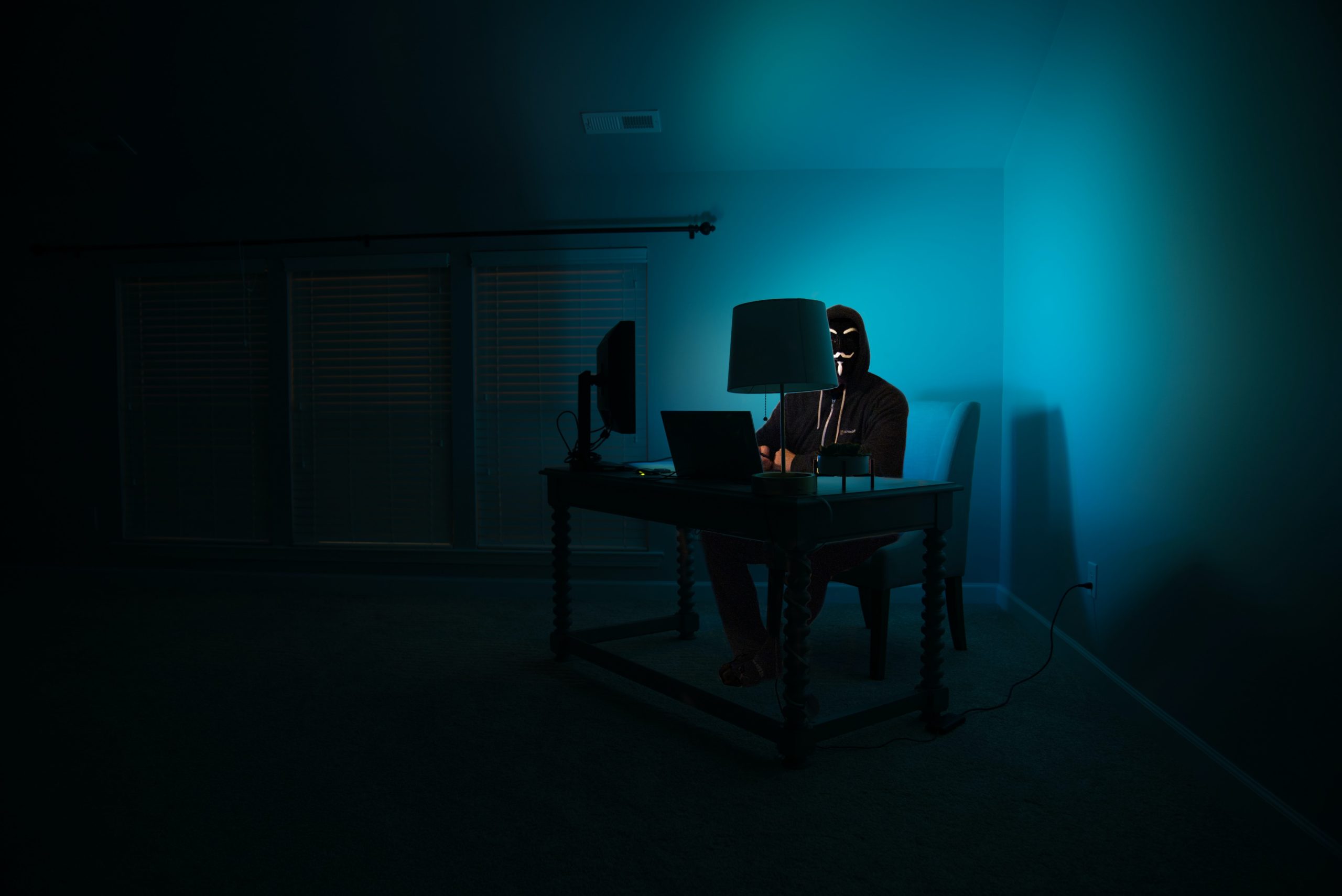
You’re enjoying a night at home — binge-watching Law & Order:SVU. You feel relaxed, comfy, and happy. Suddenly, there’s a loud knock at your door. You open it to find several FBI agents standing on your porch. They inform you that your IP address has been linked to criminal activity. They have a warrant for all of your smart devices. You panic and your stomach drops. Your mind races. You wonder if there was something nefarious about the hysterical “Dog on Roller Skates” video you watched. Did your deep dive into a Twitter comment thread link you with suspected criminals?
And then it hits you. Maybe someone has linked their devices to your IP address… Could someone else have used your IP address? Could someone be exploiting IPs and, if so, what in the world can they do with access to your IP address, anyway?
What is an IP address?
Your local IP (Internet Protocol) address is the unique internet location of your home computer network, or the unique local address of your work computer. That local address is often a private IP, which is different from the public IP websites see when you browse the internet. Unless you use a VPN (Virtual Private Network) when you access the internet at home, your IP address remains public. Each time you click on a link, your router sends your IP information to the site you’ve opened. Typically, this data isn’t used for dark purposes, but it does generate information about you. Advertisers, identity thieves, and ex-romantic partners alike can locate your IP and access the information it stores.
So how does someone find your IP address? What can they do with that data? How can you protect yourself? We provide some answers below.
How someone may access your IP address
While IP addresses are public and easily accessible, they aren’t advertised every time we open up an Internet search engine. Our routers generate these addresses and they’re different from the name you’ve given your network. When you switch your network name to “Don’t Use My Wi-Fi,” you may feel clever, but you aren’t adding any extra security.
IP addresses are a series of numbers that pinpoint the specific location where the Internet data you access is sent. We all need IP addresses to use the internet. You can look up your IP address (which also reflects the region, state, and city in which you’re accessing the Internet). For extra security, you can use a VPN to act as your proxy address, thereby keeping your IP address private. The IP address recorded when you access the web varies based on where you’re located, too. If you bring your laptop to a coffee shop patio for a change of scenery, you’re no longer using your home address. You may have a VPN or mobile hotspot that you use. Or you may choose to use the public network offered by the coffee shop. However you decide to connect, you will not be using the IP address associated with your home network.
There are a plethora of ways a company or individual can find and access your IP address. This is all legal unless they use their knowledge for criminal purposes. We’re highlighting some of the ways people can gain access to your IP address so that we may help you better protect yourself:
Legal ways to find your IP address
- Access through email: Some email platforms include your IP address in the data sent with your emails. A recipient can then copy your address and use it to collect your data. Or they can use your router to shield their own IP address.
- Via your phone: Friends, acquaintances, or even strangers who borrow your phone can easily locate your phone’s IP address and copy it.
- Clicking on an embedded image in an email: Often, an embedded image will be able to record your IP data once you open it
- Via your public social media comments: If someone sees your comment, they can find your IP address. They can then determine where you’re located, including the state, often the city, and sometimes your actual street address.
- Through the workplace: Many corporations allow those in upper management to access your internet search history and files shared from your work computer.

- Through messaging apps: Messaging apps like Facebook Messenger and WhatsApp may give hackers an easy way to find your IP address and other personal data.
- Court Orders: If you’re under criminal investigation or facing a civil lawsuit, law enforcement officials and attorneys may attain a court order to access your IP address and its data.
- Via Site Administrators: If you’ve accessed an unsecure website, the website records all IP addresses of visitors. A site administrator could then use your address to target you for marketing campaigns. Or they may store your information to sell to third parties.
- Through hacking your router: If a nearby neighbor searches for local IP addresses and cracks your password, they could access the Internet via your network. Hackers can also gain access to your personal information.
What someone can do with your IP address
If someone finds your IP address, there could be an innocent reason behind their actions. Site administrators and web servers may use your IP address to track in what global or national regions their web traffic generates. They could also use this information to send you “special deals” only found in your area, and give you access to their web content that you may not have if you were located elsewhere.
Another reason someone may use your IP address for “good” could mean a life-saving benefit for you. If you utilize the Internet to ask others for help in an emergency, but haven’t disclosed your location, emergency responders might access your router’s IP address to come to your aid.
Unfortunately, there are also nefarious reasons why someone may want to copy your IP address. A stalker could use your IP address to discern your physical location and track you down to do you harm. A criminal may piggyback on your IP address and run their activity through your router to escape punishment and to lay blame at your feet. A shady website could sell your information to an unscrupulous third party. Scammers or hackers might use your IP address to fraudulently take over your identity. It’s not all doom and gloom, though. There are ways to add basic security measures that could help prevent these nightmares.

How to protect your IP address
If you discover that someone has stolen your IP address, what can you do? Fortunately, there are steps you can take to change your IP address and add security to whatever IP you may use. These steps help build a more fortified wall between your Internet data and history, and hackers who can ruin your world (or, at the very least, cause a major hurdle to jump over).
Here some of the measures you can take to help prevent access to your IP address and to give yourself peace of mind:
- Use a VPN: When you access the internet via a VPN, your physical location remains hidden. This helps cloak your identity from target marketing sites, hackers, and stalkers.
- Use your mobile hotspot: A mobile hotspot provides some of the same anonymity as a VPN. Hotspots usually have a data limit, but can still work to cloak your location and provide a different IP address than your home network.
- Unplug your modem: Typically, if you unplug your modem for a short duration and then plug it back in, your internet service provider will assign a new IP address for you.
- Get a dedicated IP address: Similar to utilizing a personal VPN, this option allows you to use a static IP address on a private network. Your IP address will be attached to your computer only.
- Use a strong password and change it every once in a while: As much as choosing weak passwords (e.g. 1234A67b!) may seem easier to remember, hackers can crack these passwords easily. Never use the same password for multiple platforms either. Write your various passwords down in a secure spot, or utilize an app like 1Password to keep them in a secure online space.
Protect your IP address in an online world
In a world where we all must maintain some level of Internet activity, it’s important that we educate ourselves on personal security measures. A company, stranger, or unwanted acquaintance can easily find your IP address and can choose to use them for malevolent reasons. However, at times, keeping a public IP address may give us access to regional deals we wouldn’t otherwise receive. By taking extra precautions to keep our IP address hidden, we can keep online predators of all ilk at bay. The more knowledge we glean about our Internet activity, the better able we’ll be to protect ourselves while online.
Frequently Asked Questions
Can a cell phone IP address be traced?
Yes. As long as the device is on, connected to yours, and doesn’t have a proxy server or VPN obscuring it, you can track the IP address. If you want to find the IP of a device you’re connected to, you can use the “netstat -an” command in the command prompt. This will give you a list of all the devices talking to yours.
Can someone see my Internet history if I use their WiFi?
While other users on the same WiFi can’t see your internet history, the WiFi owner (or whoever has access to the WiFi router) can. However, it’s easy to protect your privacy from WiFi owners (and their ISPs) — just use a VPN!
Can someone track my IP address to my house?
Rest assured, it can’t pinpoint your exact location or home address. However, it can determine the city or region where your device is located. Even if location tracking seems relatively harmless, a skilled hacker can use this information to retrieve personal information from your ISP.
How do you check if your IP is being monitored?
There’s just no way of knowing who is running your IP address through any type of IP lookup service.
What happens if someone has your phone IP address?
If someone gets their hands on your IP (Internet Protocol) address, they can potentially track your moves online, send targeted ads, issue bans in games and websites, launch DDoS (Distributed Denial-of-Service) attacks, and even commit cybercrimes on your behalf. Of course, the subject is wider than that.