
Why You Need a VPN to Protect Your Online Privacy
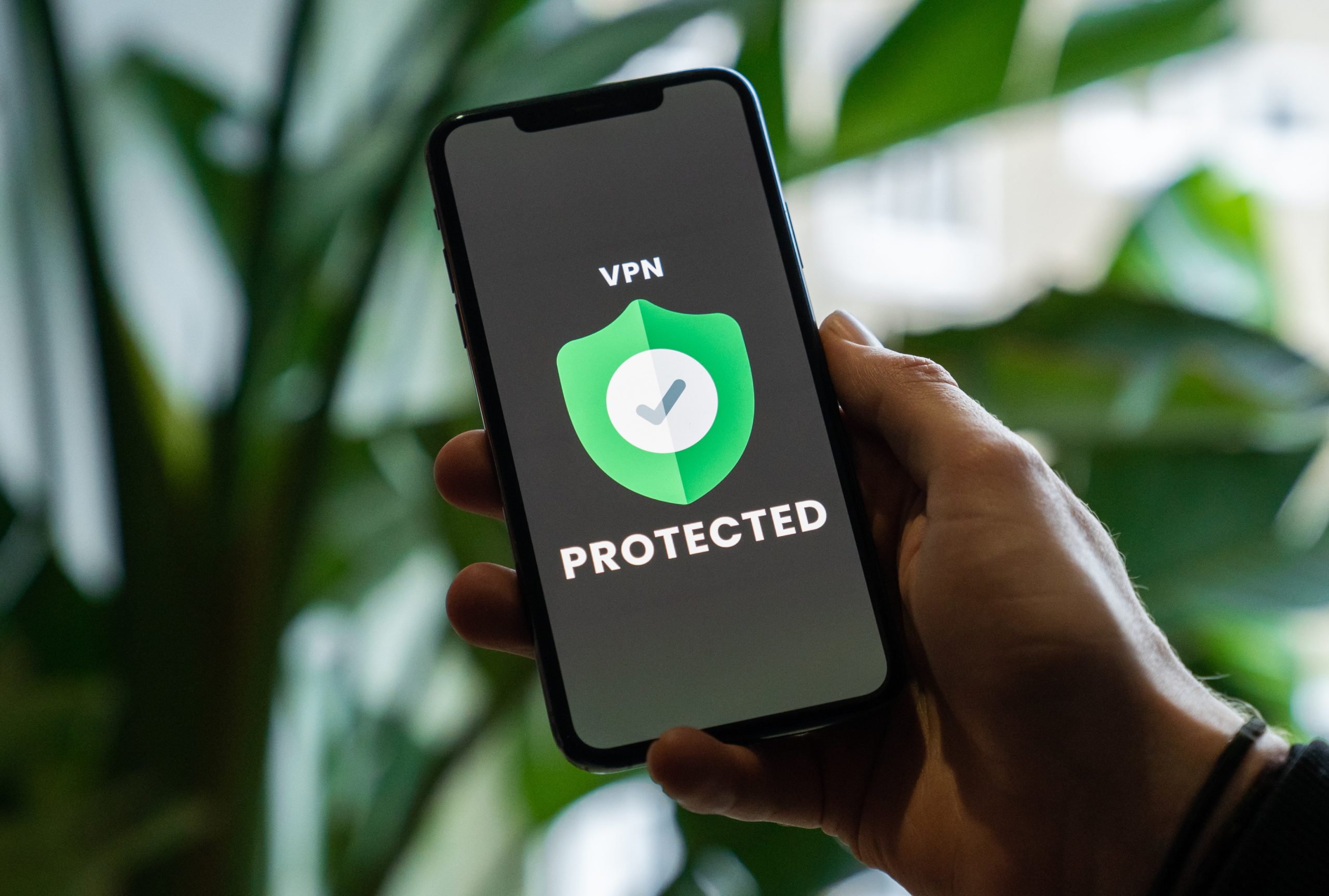
Virtual Private Networks (VPNs) have existed since the dawn of the Internet. However, you probably didn’t hear about these secure portals to your web activity until 2005. Almost all of the well-known VPN providers began in or after 2005, including StrongVPN (one of the most widely used and highly-rated VPNs, NordVPN wasn’t released until 2012).
So, how were VPNs invented? Why do people use them? Why did 2005 mark the beginning of their popularity? In what parts of the world are VPNs most popular? What did the pandemic shutdown do to the VPN market?
We’re so glad you asked. Let’s take a look.
How it works
A virtual private network protects your privacy and secures your online connection. By using a VPN, your IP address remains hidden to hackers, your data remains encrypted, and you can connect to a public Wi-Fi network without worrying about malicious virtual threats.
You may want to use a one if you’re utilizing an entertainment streaming service such as Netflix or Hulu in a space other than your home. If you’re a remote worker, accessing a VPN will protect you if you work on your laptop in a myriad of spaces. If you live in an apartment building, it can keep neighbors from piggybacking onto your IP address. At work, your employer may give you a VPN to protect company data from a breach.
How a VPN may save your life
Could a VPN help to save your life? In short, yes. For example, say you have a tech-savvy stalker–this creepy human pops up everywhere you go, and you’re not sure how it happens. You’re extremely careful not to post your whereabouts on social media, and you’ve even convinced loved ones to text you in code when discussing plans. But there Creepy McCreeperton lurks…outside of your new gym, at the movie theater, at the house party of a stranger. There’s a good chance this disturbed individual accessed your internet address and can see your search history. If you only use public Wi-Fi, you’re leaving yourself exposed and vulnerable. A VPN can hide your location, and block the stalker from knowing your whereabouts based on Internet activity.
Perhaps you’re more concerned about protecting your finances. One day, you’re working on your laptop at a coffee shop. You take a break to access your bank account balance on a public Wi-Fi network. The next day, you notice that your checking account has been drained. You were most likely the victim of a hacker. If you had used a VPN, a hacker would have greater difficulty accessing your laptop and breaking into your bank account.
Many VPN users tout the peace of mind and security that using this tool brings. Glowing reviews flood most of the popular services, and most talk about privacy and security. NordVPN user and popular YouTube personality, Philip “Philly D” DeFranco offers this testimonial about working without one: ”…you’re missing out on the peace of mind one gets when securing your personal data and internet activity.”
If you’re online for much of the day, it’s a good idea to look into a VPN. Using a VPN rather than a static IP address can help add an extra layer of security to your network and data.
7 Reasons Why You Should Use a VPN
As great as the Internet is, it has many drawbacks that hit close to home. In other words, the quirks and downside of our online connections can affect us in real ways.
You’re probably wondering if this is more hype than fact.
It’s not an exaggeration. Let’s look at seven very real weak-points of the Internet:
Free Wi-Fi can be dangerous. Free wireless connections (Wi-Fi hotspots) at hotels and coffeehouses are not secure. A hacker can eavesdrop over communications.
Hackers are everywhere and real. Cyber-thieves can (and do) hack into network connections over the Internet and steal data.
Your public IP address gives your location away. Your IP address—your computer’s active connection to the Internet—identifies your location and can be used to pinpoint where you are.
Someone could trace youronline activity. Advertisers and businesses use your IP address to develop a profile of the “person behind the computer.”
Censorship is real. A media company or a government agency can prevent you from accessing content from other regions or countries, based on your IP address.
Your access to websites and online services can be blocked. Websites can automatically block you from receiving their content if your IP address tells them you’re from a certain region or country.
In extreme cases, police can track you down by name. A police agency or court may require your Internet Service Provider to provide them with your name and address if they discover you’ve been visiting websites or having online conversations that concern them.
Privacy is disappearing, yet VPNs can safeguard it
Is privacy important to you? The answer is most likely an emphatic “yes.” The problem is, a lot of companies, websites and certain individuals (hackers) don’t value your privacy as much as you’d like them to.
- Many businesses track visits to their website by your IP address. They don’t know your name or email address, but they do know your computer visited their website.
Individual users need one, too
Although many businesses still use VPNs, individual users have started to use them as well–especially when it comes to remote work, as secure, portable network addresses become an imperative. Some companies allow you to pick the country, region, and city where your VPN address is located. Some statistics that show the significant use of VPNs by individuals include:
- 38 million U.S. Internet users constantly utilize a VPN. 142 million Americans have used one at some point in time.
- Also per Security.org, 49% of VPN users bypass static or public networks in the name of security.
- 24% of all VPNs are purchased by businesses.
- By 2019, 68% of Internet users in the U.S. used a VPN either at work or at home.
Shockingly, Gen Z isn’t the only demographic responsible for VPN users. Instead, 28% of VPN users fall in the 45-60 age range, where 75% of Internet users choose VPNs. However, 75% of all VPN users fall under the age of 37–older generations tend not to be as accustomed to (or as well-versed in) the ways of Internet technology.
Start using a VPN
The Internet isn’t as safe as we’d like it to be but with a VPN, you can overcome its serious flaws with three simple steps:

You pick a VPN provider to work with (we can help with that)

Choose one of their VPN plans (we know where you can find a great offer)

Open a VPN account and get your connection set up.
It gets even better.
With most top-level VPN providers, you can choose a plan that lets you use multiple devices (laptop, tablet, smartphone, etc.) on the same account, even simultaneously.
Better yet, if you have family, you can show them how to use the VPN account you’ve set up for everyone—and you can be assured they’re practicing “safe Internet” when they’re home, on the road, in an airport or even in a foreign country.
Then there’s this one last thing.
Don’t be surprised to find that you can try just about any VPN free for seven days, or even up to 30 days. Now that’s an offer that’s almost too good to pass up.
But now that you know how to fix the Internet, why wouldn’t you?
Click the link below to get started…
VPN breakdown by state, country, and region
The demographics of VPN use definitely skew toward specific areas–we thought we’d break them down for you and attempt to answer why.
- 1 in 5 stateside VPN users live in Pacific coastal states.
- 55% of Indonesian Internet users have a VPN.
- In 2021, use in Slovakia increased by 300%.
- Costa Rica, the Dominican Republic, Iceland, Japan, Saudi Arabia, South Africa, Spain and the United Emirates also saw a huge uptick in 2021 users.
- Southeast Asia has the highest number of users.
- 785 million customers downloaded VPNs in 2021.
There are several reasons for these statistics. Many giant technology firms are based in Pacific states, and in 2017, Praxis Strategy Group slotted Pacific regions in the top ten spots for IT jobs (per Forbes). Thus, overall, users in these states tend to naturally take extra Internet security and privacy precautions. In Indonesia and Slovakia, some Western world entertainment and content is prohibited, and the government restricts access to U.S. websites. VPN users access an address in the U.S. or Europe to explore content and use streaming services such as Netflix.

How the pandemic impacted the VPN market
As the COVID-19 pandemic slammed into shores across the globe, unheard of shutdowns ensued. Many of us were trapped at home for months, and remote work–already trending in freelance, consulting, and IT professions–became the norm for a plethora of people all over the world. Those reluctant to use a VPN in 2019 may have jumped on the bandwagon in 2020.
Binge-watching Netflix and other streaming services accounted for much VPN use during the pandemic shut down as well…One can only read so many books and work on so many DIY home projects while a “stay at home” mandate is in order.
In 2020:
- VPN use increased by 27.1%.
- International streaming revenues soared to $69 billion (from $53 billion in 2019…that’s a lot of Netflix).
- One in three people used VPNs to access the Internet
- In the U.S. and Italy, VPN use jumped to 124% and 168 % per week (respectively) during the pandemic.
Although many providers require a paid subscription, and there are VPN scams to be wary of as well, the benefits outweigh the deterrents. If you access sensitive Internet accounts outside of your home, work in public spaces, or are a small business owner, VPNs may give you peace of mind and a sense of security.
Not sure how to choose the right VPN for you? Try our VPN Simplifier.
Frequently Asked Questions
How to check if VPN is secure?
To check if your VPN connection is secure, ensure your provider uses strong encryption standards like AES-256 and supports secure VPN protocols such as OpenVPN or IKEv2/IPSec. Use online tools to test for DNS and IP leaks, choose a provider with private DNS servers and built-in leak protection, and run occasional scans with VPN check tools. Additionally, verify that your VPN can bypass censorship and check for WebRTC leaks.
How to setup a VPN?
To set up a VPN, choose a provider and sign up, download and install the VPN app on your device or use the built-in VPN feature in Windows, configure the VPN settings with the server name, VPN type, and account information, then connect to a server of your choice for secure browsing.
When shouldn’t I use VPN?
Using a VPN has drawbacks. It hides your IP and encrypts data, but doesn’t guarantee full anonymity or privacy due to varying protections. VPNs can be illegal in some countries, require a fee for quality service, which may slow speeds, and increase mobile data usage. Certain online services block VPNs, and they don’t protect against malware or phishing.
Why you shouldn’t use VPN all the time?
Using a VPN all the time may not be necessary or ideal for several reasons. VPNs can slow down your internet due to encryption and rerouting through remote servers, especially noticeable on fast connections. While they enhance privacy by masking your IP and encrypting data, they can limit access to local resources and increase data usage for geographically distant content. Some services may also block VPN users, leading to restricted access.