
Using VPNs to Access Geo-Restricted Content: Legal Implications
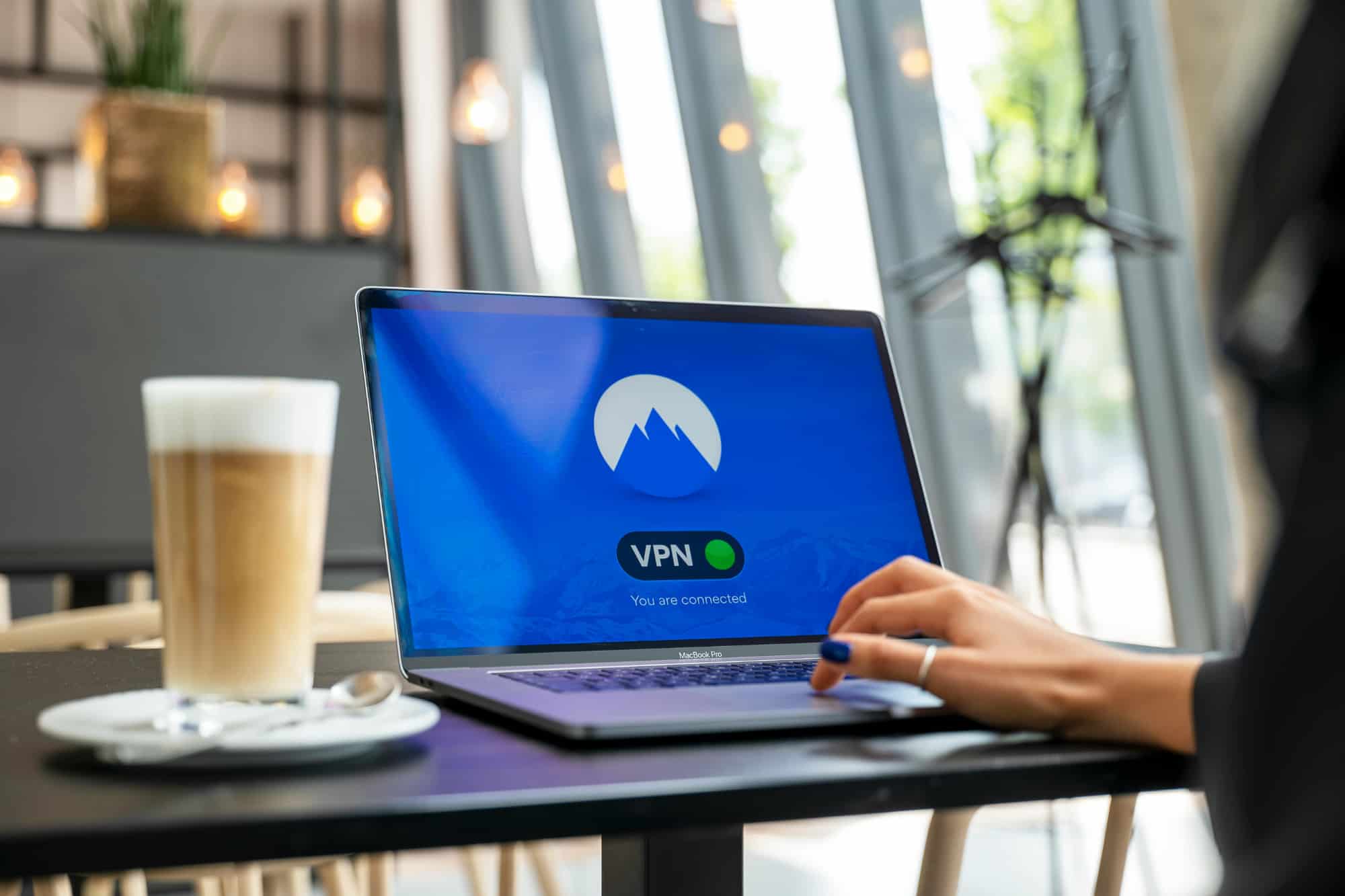
If you’ve ever connected to a VPN, switched your location to another country, and suddenly unlocked a movie or show that wasn’t available in your region, you’ve already seen the appeal firsthand.
It also raises an obvious question: is this actually legal?
In the United States, generally speaking, yes. Using a VPN itself is legal. But things get murkier once streaming rights, licensing agreements, and platform terms of service enter the picture.
That’s where people tend to lump everything together. They assume “against the rules,” “against the terms,” and “illegal” all mean the same thing. They don’t.
Streaming platforms use geo-blocking because content rights are often licensed country by country. A show Netflix can legally stream in Canada may not be licensed for US audiences, and vice versa. VPNs can bypass those regional restrictions by masking your location.
That doesn’t usually create criminal liability for the average user. But it can violate a platform’s terms of service, which is a different category entirely.
Understanding the difference matters. The legal risk is often far lower than people assume, while the practical risk tends to be things like account restrictions, VPN detection, or blocked access.
What Is Geo-Blocking and Why Does It Exist?
If you’ve ever opened a streaming app while traveling and realized half your usual content library was missing, that’s geo-blocking at work.
Websites and streaming services use your IP address to estimate your location and decide what content you can access. Since your internet provider assigns that IP address, platforms can usually tell what country you’re connecting from within seconds.
For streaming companies, the reason is mostly contractual. Platforms like Netflix, Hulu, and BBC iPlayer don’t always own global rights to every show or movie they offer. Distribution deals are often negotiated country by country, sometimes with entirely different broadcasters holding rights in different regions.
So a series available on Netflix in the UK might be unavailable in the US because another company paid for exclusive American streaming rights.
Governments use similar technology for very different reasons. Countries including China, Russia, and North Korea have restricted access to foreign websites, news outlets, and social platforms by blocking users based on location.
Different motivation, same basic mechanism: your location helps determine what parts of the internet you’re allowed to access.
Are VPNs Legal in the United States?
Yes. Using a VPN is legal in the United States.
Despite the occasional suspicion around them, VPNs are widely used by businesses, remote employees, journalists, cybersecurity teams, and everyday users who simply want more privacy online. In many workplaces, they are standard security tools.
A lot of the confusion comes from the fact that VPNs can hide your location and encrypt your internet traffic, which sounds more clandestine than it actually is. But the technology itself is legitimate, and there are plenty of perfectly ordinary reasons people use it every day.
The rules become more restrictive in some other countries. China limits VPN use to government-approved providers, while Russia has blocked services that refuse to comply with state censorship laws. Countries like North Korea, Belarus, and Turkmenistan impose even tighter restrictions. So if you’re traveling internationally, it’s smart to check local laws before relying on a VPN abroad.
In the US, though, the bigger question usually isn’t whether the VPN itself is allowed. It’s whether the activity you’re using it for crosses a legal line.
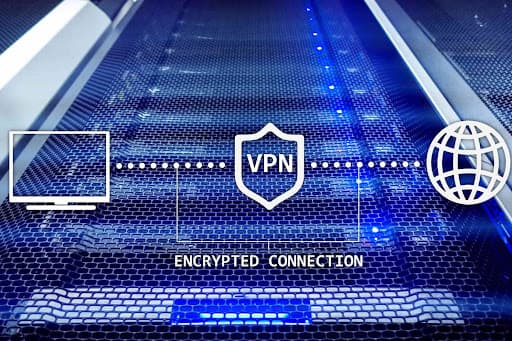
Using a VPN to Bypass Geo-Restrictions: A Legal Gray Area
This is where the confusion usually starts.
Using a VPN to bypass geo-restrictions is generally not a criminal offense in the United States. Nobody is getting arrested for connecting to a UK server to watch a British cooking show.
But “not illegal” doesn’t necessarily mean “without consequences.”
Most major streaming platforms, including Netflix, Hulu, and Disney+, prohibit VPN-based region switching in their terms of service. Violating those policies typically won’t create legal trouble, lead to account restrictions, blocked streams, or suspended access.
In practice, that’s usually the real-world risk.
Streaming companies have also become much better at identifying VPN traffic. If a platform detects you’re connecting through a known VPN server, it may simply refuse to load the content until you disconnect or switch servers.
You’ll usually hit a technical barrier, not a legal one.
Where things can become legally serious is when a VPN is used to access content or services that are themselves illegal in your jurisdiction. A VPN doesn’t change the legality of the underlying activity, and it doesn’t shield users from liability if laws are actually being broken.
How Streaming Services Detect and Block VPNs
Using a VPN doesn’t make you invisible to streaming platforms. Services like Netflix and Amazon Prime Video spend a lot of time and money detecting VPN traffic, and they’re far better at it than they used to be.
One of the most common tactics is IP blocklisting. VPN companies operate servers with known IP addresses, and streaming platforms actively track and flag them. Some build those databases internally, while others rely on third-party services that specialize in identifying VPN infrastructure.
If your connection comes from a flagged IP address, the platform may block the stream entirely or display a proxy error message.
From there, it turns into a constant back-and-forth. VPN providers rotate IP addresses, launch new servers, and use obfuscation tools designed to make VPN traffic look more like ordinary browsing activity. Streaming companies update their detection systems in response.
It’s basically a permanent arms race.
Free VPNs usually struggle the most. Their server networks are smaller, their IP addresses get identified more quickly, and they often lack the resources to keep replacing blocked infrastructure fast enough to stay ahead.
And the downsides go beyond streaming issues. Some free VPN providers have been caught logging user activity or selling browsing data to third parties, which undermines the very privacy most users signed up for in the first place.
What You Actually Risk When Using a VPN for Streaming
The risks around VPN-based streaming tend to get exaggerated in both directions.
For most users, the realistic worst-case scenario is a suspended streaming account or blocked access to certain content. That’s generally where enforcement stops. Streaming companies want paying subscribers, not courtroom battles with viewers trying to watch a region-locked show.
The more meaningful risks usually come from the VPN provider itself.
A service that logs your browsing activity and sells it to advertisers isn’t protecting your privacy. It’s monetizing it. Poorly secured VPNs can expose sensitive data, leak your real IP address, or even distribute malware through shady apps and browser extensions.
That’s why it matters to verify that your VPN is actually masking your location the way it claims to. Some services appear connected while still leaking identifying information in the background, creating a false sense of privacy rather than real protection.
A simple IP check before and after connecting can confirm whether your visible location actually changed.
At that point, the bigger question isn’t whether you’re using a VPN. It’s whether you’re trusting the right provider with your internet traffic in the first place.
VPN Legality Around the World: A Quick Snapshot
VPNs are legal in most countries, but not everywhere, and the differences matter if you travel internationally.
In the United States, United Kingdom, Canada, and across the European Union, VPN use is broadly accepted and routine. Companies rely on them for secure remote access, and millions of individuals use them for privacy and security without issue.
Elsewhere, the rules become much more restrictive.
China only permits government-approved VPN providers, and unauthorized services can trigger penalties. Russia has pressured VPN companies to comply with state censorship requirements, blocking providers that refuse. Iran and the United Arab Emirates allow limited VPN use but tightly regulate how and when the technology can be used.
Some countries go even further. North Korea, Belarus, and Turkmenistan have imposed near-total bans on VPN use, although enforcement can vary in practice.
The bottom line is simple: if you’re traveling abroad and plan to rely on a VPN, check local laws before you go. Something considered routine at home may be treated very differently elsewhere.
The Legal Reality of VPNs and Geo-Restricted Content
Using a VPN is legal in the United States, and using one to access geo-restricted streaming content generally isn’t a criminal issue either. For most users, the consequences stop at the platform level: blocked streams, proxy warnings, or potentially a suspended account.
The bigger concern is whether the VPN itself deserves your trust.
Some providers log user activity, sell browsing data, leak IP addresses, or fail to deliver the privacy protections they advertise. A VPN can improve privacy and security, but only if the service behind it is reputable and technically sound.
At the same time, the streaming world is becoming more fragmented by the year. More platforms, more exclusive licensing deals, and more regional restrictions mean geo-blocking isn’t disappearing anytime soon. Neither are VPNs.
And as streaming companies keep improving their detection systems, VPN providers will keep adapting in response. The cycle is likely to continue for a long time.