
Smartphone Security: How to Balance Security & Convenience

You’ve probably witnessed the little invasions of privacy that come with smart devices, but you may not have realized what they were.
Maybe your smart doorbell recorded your neighbor falling down, or perhaps your virtual assistant was accidentally activated while you were having a private conversation with a friend. Your apps track your location, your fitness tracker knows when you sleep, and your baby monitor records everything that happens in your child’s room.
These facts reveal an uncomfortable truth: the devices that make our lives easier are also watching us more closely than we ever intended. Smartphones, in particular, promise and deliver convenience, but what are we compromising in order to get that convenience?
This balance between smartphone security and convenience is trickier than most people realize. The same features that make devices “smart” also make them vulnerable.
How your smartphone actually gets compromised
Most people think smartphone security just means avoiding sketchy downloads or clicking suspicious links. The reality is far more complex and troubling. Every day, your phone collects thousands of data points about you. Although you may have clicked “accept” on countless Terms of Service agreements, you probably don’t actually know how much data is being collected about you.
How bad is it? In 2023, Google prevented 2.28 million privacy-violating apps from being downloadable in the Google Play Store. Since 2020, Apple has rejected over a million apps from the App Store because of privacy concerns.
What about the ones that get through? People often think that their smartphone is listening to them through the microphone, but it doesn’t even need to do that! Your phone knows more about you than your closest friends and family members. It tracks your movements, who you talk to, what you search for, how long you sleep, when you exercise, and even how fast you’re driving. Often, without your knowledge, this data gets packaged, analyzed, and sold to companies you’ve never heard of.
And these vulnerabilities don’t stop at data collection. Security professionals have discovered serious flaws in both iOS and Android that allow hackers to take control of your devices.
Common Smartphone Attack Methods
- Malicious apps that request excessive permissions
- Social engineering through texts and calls
- Public Wi-Fi network interception
- SIM card swapping and phone number hijacking
- Zero-day exploits in operating systems
- Bluetooth and NFC proximity attacks
Here’s the frustrating part: many of these vulnerabilities persist because users prioritize convenience over security, and companies profit from data collection.
Understanding the data collection system
It’s important to view your phone as more than a communication device. It’s also a surveillance tool. Apps, websites, and platforms all generate revenue through data collection, and both Apple and Android have built their platforms on gathering information about their users’ behavior, preferences, and habits.
Much of this is based on the data demands of the advertising industry. Advertising companies create detailed profiles of smartphone users based on user data, which means they know things about how you might spend your money. If they can use that information to get you to spend your money on their products and services, that’s a huge win!
It benefits these companies to know if you’re dealing with health issues, getting married, having a baby, shopping for a car, or going on vacation.
Data brokers compile information from multiple sources to create comprehensive profiles. Your smartphone data gets combined with credit card purchases, public records, social media activity, and even information about your family members and friends. The result is a level of surveillance that would have been unimaginable just a decade ago.
What your phone reveals about you
- Precise location history and movement patterns
- Communication habits and social connections
- Financial behavior and purchasing patterns
- Health information and medical interests
- Political views and ideological leanings
- Personal relationships and family dynamics
- Work schedules and professional activities
- Entertainment preferences and lifestyle choices
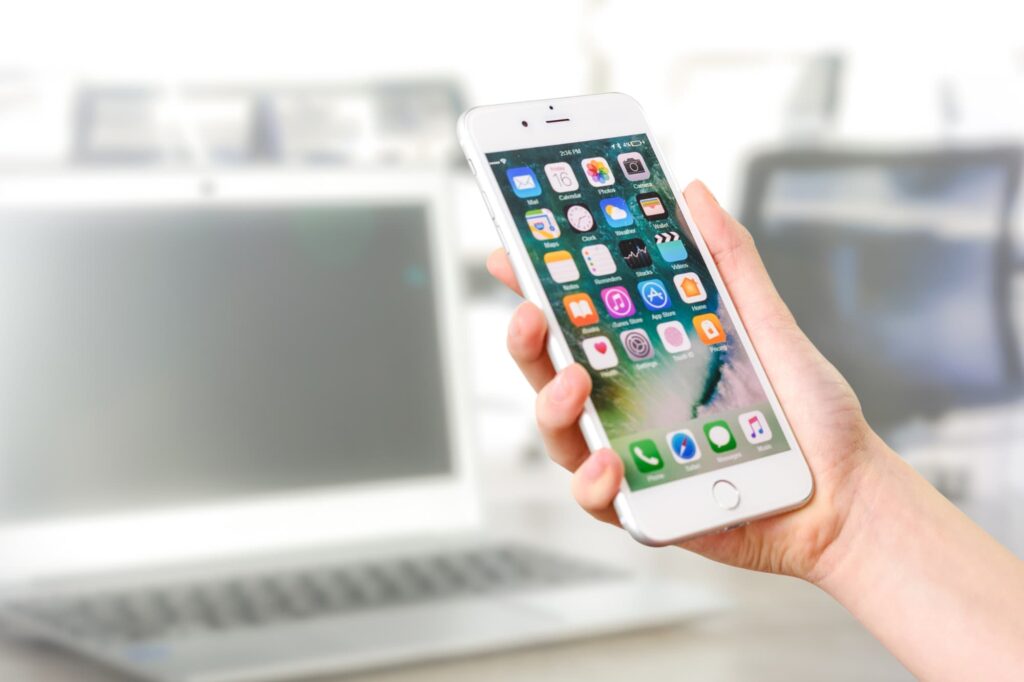
iPhone vs Android: The Privacy Trade-offs
Both iOS and Android have made significant improvements to user privacy and security over the past few years, but they approach these issues differently. Understanding these differences helps you make informed decisions about which platform better matches your priorities.
Apple has a reputation for prioritizing privacy, thanks to features like App Tracking Transparency, which requires apps to request permission before tracking users across other apps and websites.
However, Apple’s privacy protections aren’t absolute. The company still collects substantial amounts of data through its own services, and iOS devices regularly communicate with Apple servers for various functions.
Android’s approach, on the other hand, focuses more on user control and transparency. Google has implemented privacy dashboard features that show which apps are accessing specific permissions and when. Android 12 and later versions include indicators that alert users when apps are accessing cameras or microphones.
Platform-Specific Privacy Features
iOS Privacy Advantages:
- App Tracking Transparency requirements
- More restrictive app review process
- Enhanced on-device processing
- Limited data sharing with third parties
- Regular security updates for older devices
Android Privacy Advantages:
- Greater customization and control options
- More transparent permission systems
- Ability to use alternative app stores
- An open-source foundation allows security audits
- More options for privacy-focused modifications
Neither platform provides complete privacy protection, and both require active user configuration to maximize security.
An alternative to Apple and Android: Privacy phones
If you’re looking for the maximum amount of privacy and security, there are alternatives to both iOS and Android operating systems. Privacy phones require significant trade-offs in convenience and functionality, but they provide extra strong protection against surveillance tracking.
Your options include:
- GrapheneOS, which runs on Google Pixel hardware but removes Google’s tracking and data collection infrastructure
- CalyxOS’s motto is “Everyone needs a phone. Not everyone wants to be spied on.” This Android-based alternative includes MicroG, which provides some of the functionality of Google services without the data collection.
- The Librem 5 is the most radical departure from your typical, mainstream smartphone options. It runs PureOS, which is a Linux-based operating system. With Librem 5, you get complete control over your device’s functionality, as well as hardware kill switches for cameras, microphones, and WiFi connections.
What’s it like to use a privacy phone?
Using a privacy phone means accepting substantial limitations:
- Limited app selection and reduced functionality
- Compatibility issues with banking and payment apps
- More complex setup and ongoing maintenance
- Reduced integration with popular services
- Potential connectivity problems with some carriers
- Higher learning curve for basic operations
- Limited customer support and community resources
Most users find these trade-offs too significant for daily use. Privacy phones work best for people with specific security requirements or those who prioritize privacy over convenience in all aspects of their digital lives.

What are some “middle ground” approaches to balancing security and convenience?
If complete privacy phones seem too extreme, several strategies can significantly improve smartphone privacy without abandoning mainstream platforms
- Disable app tracking
- Limit location services
- Turn off Siri suggestions on your Android
- Use privacy-focused messaging alternatives like Signal and DuckDuckGo
- Avoid connecting unnecessary services to your accounts
- Install privacy-protecting browsers
- Buy two phones–a conventional smartphone for convenience and a privacy phone for sensitive communications and activities
The solution to your privacy concerns is to customize your approach to your actual needs. However, you have to know about the risks to mitigate them! Everyone deserves to be protected from unnecessary surveillance and data harvesting. The more you know, the more you can protect yourself and your data.
Build a personal smartphone strategy that works for you
A personalized approach based on your specific needs and privacy concerns is the best way to approach smartphone privacy. There’s no single, universal solution that works for everyone.
To customize your approach to security and convenience, assess your current smartphone usage by reviewing which apps you use regularly, what kind of permissions you approve, and what data you’re already sharing. This may lead to you discovering that there are dozens of apps that you rarely use, but that are collecting data in the background.
We recommend the following steps:
- Create a simple maintenance routine that you can go through regularly
- Make sure to keep your software updated
- Delete old accounts and apps
- Use a strong approach to passwords
- Remember that security is an ongoing process, not a one-time setup
Your smartphone should enhance your life while respecting your privacy and security. With thoughtful configuration and consistent maintenance, you can enjoy the benefits of mobile technology while maintaining control over your personal information.