
Support Groups for Scam Survivors: Finding Resources and Recovery

No matter how careful you are, you can still fall victim to an online scam. Scammers have upped their game and can spoof even the most trusted websites, making it difficult to tell the difference between a trusted site like Amazon or Paypal and a scam site, developed to mine for sensitive information.
The financial hits are painful, and it’s hard to find support and advice for recouping your losses. Sometimes you just need to know that you’re not alone. And you’re not – there are scam survivors support groups that connect victims with others who have fallen prey to an online scam.
Types of Online Scams
An online scam can take many forms. Just a few of the most common ones include:
Imposter scams
These are the dreaded phone calls and emails from people impersonating agencies, most specifically government and banking agencies. Victims feel pressured to respond to an entity they consider authoritative and will frequently “cooperate” to stop any aggressive moves on behalf of the agency. Imposter scams include calls from the “IRS,” the police department, or a banking institution.
These scams can also include criminals posing as an authority figure at your job. Most people will not think twice when responding to their “boss” or a representative from the legal department or Human Resources. Additionally, criminals target social media accounts, hacking profiles and sending infected videos and links from them.
Identity theft
This is the result of a phishing scheme, a shopping scam, or information about you and your accounts sold on the dark web. Once a scammer has your personal information, they can access your accounts, open new credit lines and loans in your name, and even steal your home’s title.
The number of scams involving identity theft reached an alarming 1,243,960 in 2021, and this rate shows no sign of slowing or stopping.

Phishing
In general, a phishing scam will not target you specifically. The criminals cast a much wider net, hoping that one or two people respond. This type of scam requires a user to click a link, either through email or text. The link may immediately embed spyware that collects data from your device, or it can redirect you to a spoofed website.
On the other hand, spear phishing is a targeted attack in which criminals try to gain access to privileged information, such as payroll and banking records, from a business.
Shopping scams
From online shops that don’t exist to deals that are “too good to be true” and products that never arrive, shopping scams are designed to collect banking and credit card information. The shops will frequently appear, disappear, and reappear under a different name.
Shopping scams can also involve services, such as alleged “tax help” and “debt management.” Always check the website’s credibility and never trust online reviews of its products and services, and be aware of fine print such as signing up for a subscription. These companies are notoriously difficult to contact and provide no customer support, and orders, charges, or withdrawals from your accounts are nearly impossible to cancel.
Dating scams
Dating scams usually involve online dating and social media platforms. Users connect with a person who seems to be the “perfect match,” only to find themselves persuaded into providing money or personal information to a scammer. Per Norton, there were over $304 million in reported dating scam losses in 2020 alone.
As you can see, there are many different types of scams, and many ways criminals can trap their victims.
What is a Scam Survivor Support Group?
Online scams are increasing steadily, with over 2 million scams reported in 2020 alone. This number is expected to continue to climb throughout 2022 and beyond.
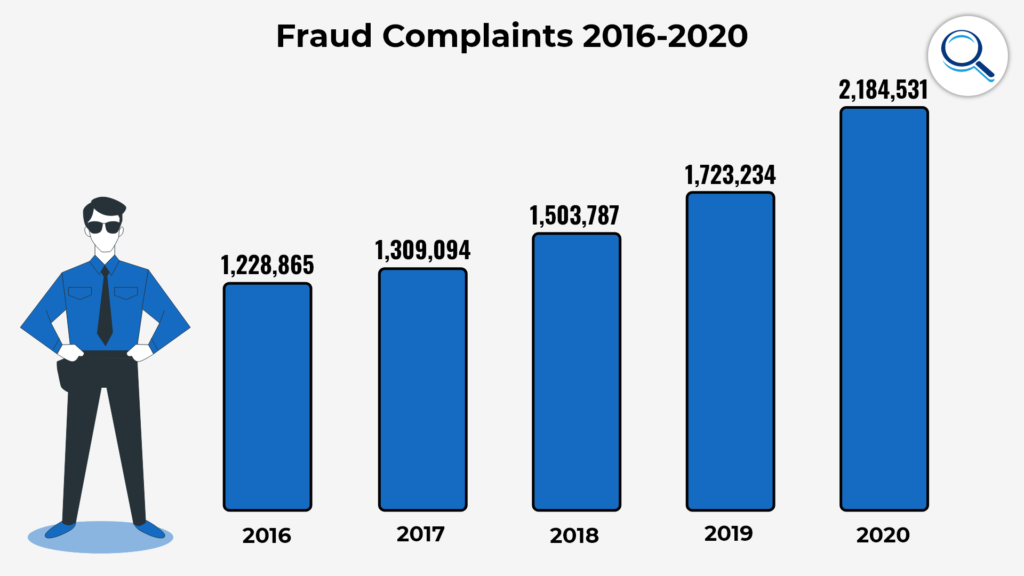
Victims of scams frequently feel isolated, violated, and embarrassed with no idea of how to report the scam or recoup their losses. Scam survivor support groups allow victims the chance to share their experiences with others, hoping to warn potential future victims and provide support for people who have fallen prey to scams. They also provide resources for reporting the crime.
There are support groups for every type of online scam, from romance to phishing and eCommerce scams.
SCARS
The Society of Citizens Against Relationship Scams Inc (SCARS) is a volunteer-run, nonprofit global support group for victims of online dating scams. The site reports an astonishing 36,480,000 victims in 2020, with an average of just under $15,000 lost per victim.
Scam Survivors
Providing support for victims of all scams, Scam Survivors is a site with resources for all types of scam victims. The site includes help for those affected by blackmail, tax refund and beneficiary scams, lottery scams, and social media victims, among others.
Global Anti-Scam Org
The Global Anti-Scam Org (GASO) is a site full of real-life scam stories, helpful articles, support, and prevention tips. Some of these valuable resources include podcasts, tax help for victims, trending and prevalent scams to avoid, and a list of reported scam websites.
How a Romance Scam Survivor Found Purpose and Helps Others Heal
Debby Montgomery Johnson is a romance scam survivor, founder of The Woman Behind the Smile, Inc., author, speaker, and podcast host. A former Air Force officer and senior bank manager, she took over her husband Lou’s business after his sudden death. Looking for companionship, she created a profile on a faith-based dating site.
She was soon contacted by “Eric Cole,” who said he was a businessman from England with family overseas. Their conversations moved quickly off the dating site to Yahoo! Chat. He professed strong feelings early, but always had excuses for not being able to video chat. He cancelled visits and kept asking for financial help—first small amounts, later larger ones through Western Union and wire transfers.
Over four years, Debby sent Eric $1,080,726. She cashed out retirement accounts, sold personal items and property, and even borrowed money from family. Eventually, a video call exposed the truth: the man she thought she knew did not exist. His name, appearance, and identity were all false.
Debby decided not to call herself a victim, but a survivor. She wrote a memoir, The Woman Behind the Smile, and now dedicates herself to helping others through speaking, writing, and support groups. She works with organizations such as SCARS (Society of Citizens Against Relationship Scams) to raise awareness.
She emphasizes that romance scams are under-reported, and that many people suffer in silence. By sharing her story, she hopes to remove shame, show others they are not alone, and make clear that recovery is possible.
Report a Scam

If you’ve been the victim of an online scan, take these steps immediately:
- Close or freeze all financial, credit, and bank accounts
- Contact the three credit bureaus and ask for a fraud alert to be placed on your report
- Equifax: 1-888-766-0008
- TransUnion: 1-800-680-7289
- Experian: 1-888-397-3742
- Change all passwords on financial, banking, credit card, email, and social media accounts
- Report the crime at Report Scams and Frauds | USAGov
Scam Prevention Tips
Since scammers are continuously upping the stakes, it is impossible to keep track of all scams. The face of scamming is changing every day, and detecting and preventing these attempts is getting increasingly more difficult. Here are a few ways to protect yourself.
Phishing and email scams
Look for classic signs of email scams such as:
- Obvious grammatical errors in subject lines
- Subject lines addressed to “Customer” rather than your name
- Strange fonts in subject lines
- Misspelled products or company names
- Unauthorized or unexpected communications
- Threatening email content urging immediate action via links
The best protection against email scams is to sign directly into the alleged site from your browser and check for notifications. Never click an email link, video, or document unless you are certain it is from a trusted source.
Romance scams
Romance scams can be very subtle, but usually follow a pattern.
- The “match” will never commit to meeting in person, or will not show up to the “date”
- The romance proceeds very quickly online with no other communication
- Your “match” will be out of town, or even out of the country
- Your ‘match” suddenly finds themselves in a dire situation that requires you to send money
The solution to romance scams is simple: never volunteer information, and never send money, gift cards, or transfers to an online connection.
Social media scams
Most social media scams involve friend or connection requests from unknown people or from hijacked accounts of someone on your current friends list. Never assume it’s safe to add someone simply because you have “friends” in common, and never open DMs containing links or videos. If you suspect a friend has been hacked, call them or tag them on your stories and timeline and notify them of your suspicions. Often, the hacked contacts are unaware that they have been breached.
eCommerce scams
Be aware of deals that are “too good to be true,” especially from sites you are not familiar with. Take a few minutes to search for the site and look for complaints, and never rely on reviews listed on the site itself. For most products, companies, and services, a simple Google search of the company along with the words “legit” or “scam” can often give you the information you need to make your decision. If you cannot locate the company online, it’s an immediate red flag. Never click links you find on social media unless you can identify and trust the source.
Imposter scams
Imposter scams can be tricky. No one wants to be on the wrong side of the IRS, social security administration, police department, or boss. Look up the contact numbers on the official websites and directly call the agency that is attempting to contact you. If it’s an alleged authority figure within your company, don’t respond via email; call the number directly and ask them to authorize the release or sharing of requested information.
It’s important to remember that the IRS will not call or email you about tax issues, and no government agency will leave threatening messages via phone or email. Additionally, no legitimate agency will request payment in gift cards.
Stay Safe
The name of the game is Zero Trust. Zero Trust is an enterprise security approach, but many of the tenets apply equally for personal internet use.
- Never take communications at face value, especially if it involves links or videos
- Implement two-factor authorization
- Invest in a robust cybersecurity solution
- Never give out personal or financial information online or by phone
- Always verify the source of a link, email, or phone call
Taking a few extra minutes to verify a site, sender, or business number and website can save you headaches, heartaches, and financial hardship.