
Essential Documents (and Apps) to Take with You When You Travel Overseas
When you book a trip to travel overseas, you feel excited for the adventures that await you. But there’s risk involved with travel, especially when leaving your home country. To help mitigate that risk, it’s important to bring the right documents with you. For most overseas trips, you will need a variety of physical and digital documents to help make your journey go smoothly.
Physical documents
Everything today is going digital but your travel documents are one thing you might want (or need) to keep physical copies of. A piece of paper can’t be hacked. But it can be stolen, which is why you should opt for both physical and digital copies of all your travel documents when possible.
The following documents are things you should always have with you when you travel to another country, preferably in hard copy.
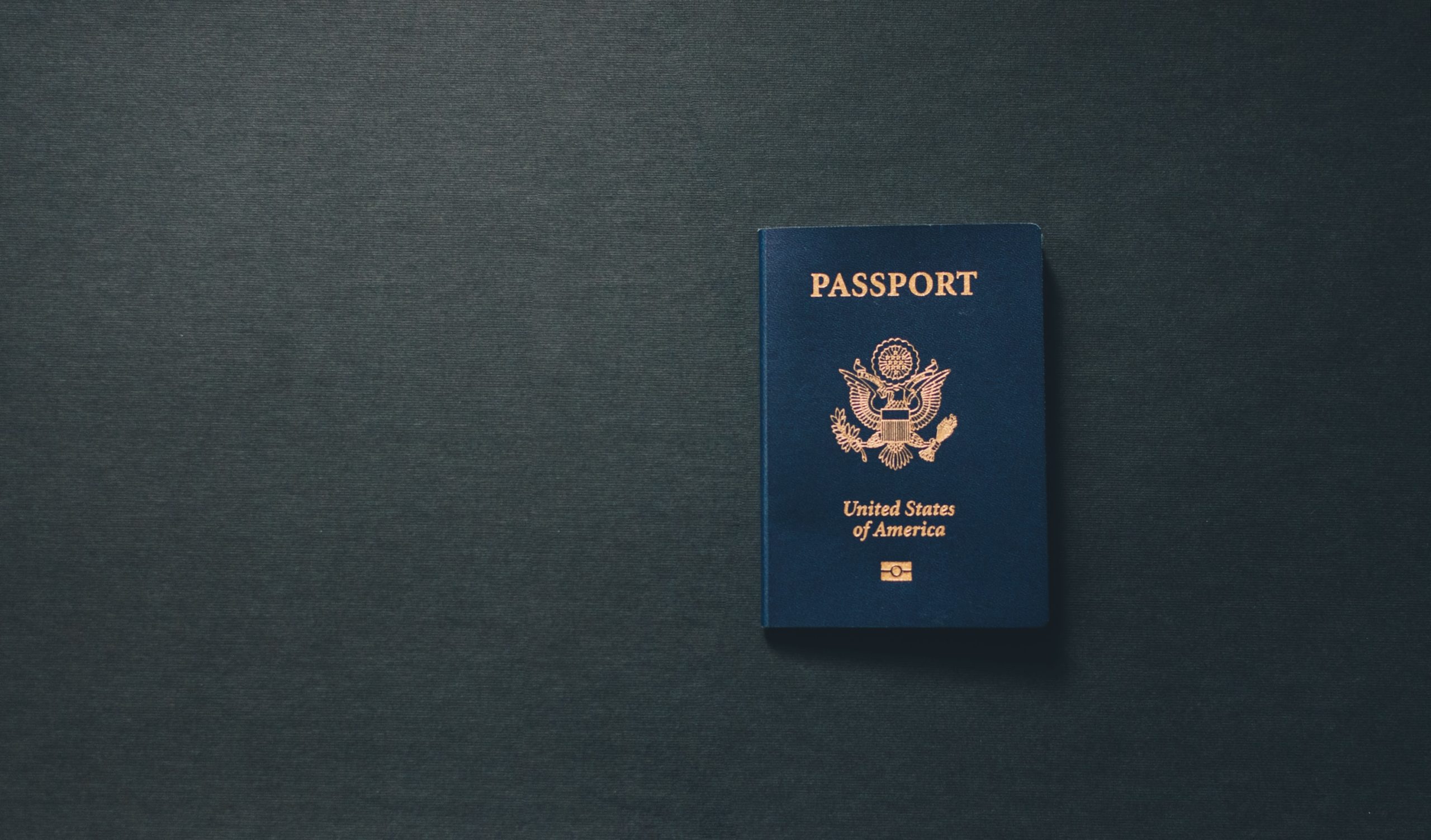
Passport
This one should be a no-brainer. Almost every country in the world will not let you in without a passport. Even if you have a visa for that country, the visa is usually affixed to the pages of your passport, so you have to bring it with you anyway. Always keep your passport on you when boarding flights or trains that cross borders.
Also, be wary of your passport’s expiration date. Even if it’s still valid for another few months, the country you are visiting might not let you enter if your passport will expire while you are still abroad. If you can visit a country visa-free for up to three months, for example, you will have to ensure your passport is valid for those three months, even if your planned trip is only two weeks.
Visa or residence permit
Depending on the country you travel to and how long you plan to stay, you may need a visa or residence permit in addition to your passport. A visa is a stamp in your passport that allows you to enter another country. Some countries provide a visa on arrival but others require you to apply for one ahead of time.
If the purpose of your trip is simply travel, you’ll most likely have to apply for a tourist visa. If you plan to study abroad, you’ll likely need a student visa. Determine what the purpose of your trip is and how long you intend to stay in the foreign country and look up visa requirements well in advance.
Travel itinerary
Even if all you plan to do during your trip is sit by the pool and drink mimosas, you should still write down your itinerary. Include your dates of arrival and departure at each accommodation you’ll be staying at, as well as their address and phone number. If you do have activities planned, include them in your itinerary.
Make your travel itinerary as detailed as possible. If you are taking a train between cities, include the number of the train as well as the departure times. You could even include the public transportation within cities that you plan to use, such as any subway or bus, as you move between your different activities.
Keep a physical and digital copy of your itinerary with you and be sure to share it with someone back home so they have an idea of your whereabouts while you’re traveling overseas. If something happens to you, your itinerary can help give clues to help track you down.
Accommodation details
Ideally, your travel itinerary will contain all of the details of the places you’re staying, but it can’t hurt to make another document just in case. Include things like:
- The name of the place you are staying, or the person you are staying with
- The address
- The closest stops to public transportation
- The phone number and email address for the place or person you are staying with
- The closest hospitals and police stations
You should also keep physical and digital copies of this information and leave it with a trusted friend or family member back home.

Insurance card
You may consider taking out a travel insurance policy that covers you internationally. Some of these policies are available for short-term coverage as well. Travel insurance typically covers medical expenses and trip cancellations.
Keep a copy of your insurance certificate with you in case something happens and you require medical attention. Most insurance companies make a digital and physical copy available to you and even have a mobile app you can download.
Driver’s license
If you plan to operate a passenger vehicle while you’re abroad, you will definitely need your driver’s license. Depending on which country, state, or province issued your license, it may or may not be valid for you to drive legally in the country you are going to.
If you have a driver’s license from a US state, you can go to your local AAA office and request an international driving permit (IDP). The IDP translates your license into 10 languages and is valid in 150 countries. It’s highly recommended by most countries to have an IDP in conjunction with your US driver’s license if you want to drive a car in that country.
Having your driver’s license handy also provides you with another form of photo identification. It may not be valid for anything official, like crossing a border, but if something happens to you it’s good to have a form of identification with you.
COVID-19 documents
Since 2020, documents related to COVID-19 have become essential for travel overseas as well. Many countries created passenger locator forms, which require you to provide your previous location(s) before entering the country. It’s also common to need a document that confirms your status concerning COVID-19: if you’ve been vaccinated; if you’ve recently had the virus; or if you’ve tested negative within the last 24-72 hours.
Although by 2022 some countries have started lifting travel restrictions related to COVID-19, there are many parts of the world where they are still enforced. Keeping coronavirus in mind as you make travel plans will likely be a must for at least the next few years. So don’t neglect to check out the COVID-19 rules for the country you are planning to visit.
Plane or train tickets
Other than the fact that you need a ticket to board your plane, it’s good to have one to show to border officials. No airport will let you through security without a valid boarding pass, either. It’s best to keep both a printed version of your ticket and a digital one as well. With a hard copy, you can easily get it out and present it to airport staff.
Security is less tight on trains, but you definitely still need to ensure you have the right copy of your ticket with you. Most train conductors have a device to scan your ticket, so you’ll most likely need a copy of your ticket that contains a QR code, whether in physical or digital format.

Event tickets
If you’ve already booked activities for your trip, such as a museum visit, concert, or excursion, you should keep copies of those tickets as well. Event tickets are also something you should have physical and digital copies of when possible. Even if you book an activity online, try to print out your tickets or proof of purchase for the event runner. You don’t want to have any surprises when traveling overseas.
Digital documents
For all the documents listed above, it’s a good idea to make hard copies and store digital copies, either as a simple PDF or within a mobile app that you can easily access. Some essential documents, however, aren’t available in hard copy.
In addition to making digital copies or scans of all the above documents, make sure you have these digital documents and apps available when you travel overseas.
A translation app
Heading to a country where you don’t speak the native language? You might want to have a decent translation app on your phone so you can quickly look up words and phrases when needed. Don’t rely solely on the app, however. Try to learn some simple phrases before you go.
A GPS app
No matter how much planning you do beforehand, you’re bound to need directions at some point during your trip. Thankfully, today’s GPS apps are sophisticated enough to get you just about anywhere you need to go. Many of them include public transportation options as well, so if you’re traveling by bus, metro, or train you can still easily find your way. They’ll also help you find nearby restaurants, grocery stores, pharmacies, and gas stations.
A travel planning app
In addition to a GPS app, you might consider a trip planner. With this type of app, you can check out transportation options for long distances, or enter details from your travel itinerary. Some apps focus on getting you good deals on travel, while others help you keep yourself organized during your trip.
A VPN app
If you plan to use any of your electronic devices while traveling overseas, you should definitely use a VPN. The dangers of public Wi-Fi are too great to go without one. It’s especially risky using public Wi-Fi networks in touristy areas too, because hackers prey on unsuspecting travelers who need an Internet connection to use their phone because they don’t have local data plans.
To be clear, public Wi-Fi is any network that someone other than you or your accommodation host can connect to. So even if a coffee shop requires a password to connect, it’s still public because anyone who buys a coffee there can have it. The same goes for hotels, where multiple guests are given access to the same network.
Activating a VPN will keep your connection somewhat hidden, but if you want to be 100% confident that your Internet activity is safe from prying eyes, rent a mobile hotspot that you — and only you — can connect your devices to while you’re traveling.

Travel safe with the right documents
Preparing your essential travel documents ahead of time not only makes your trip easier but is also required in most cases. Take the time to gather all the documents you need and make both hard and digital copies of everything. All this prep work might be a nuisance as you’re getting ready to travel overseas, but you’ll be glad you did it when you have fewer surprises to deal with during your trip.