
Digital Driver’s Licenses: What Are You Signing Up For?
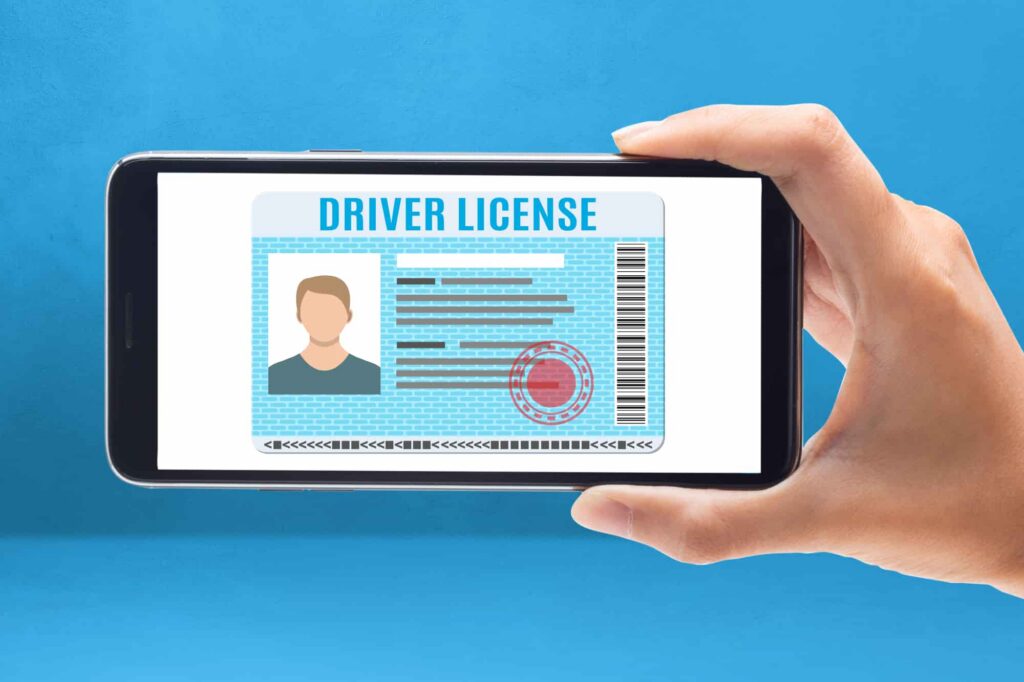
Your state’s DMV might be offering you an interesting new identification option: store your driver’s license on your smartphone instead of carrying around that familiar plastic ID card. As of December 2025, nearly two dozen states and territories have launched mobile driver’s license programs. Several more states have digital IDs that are in active development.
The Transportation Security Administration accepts these digital IDs at over 250 airport checkpoints, and REAL ID enforcement that began in May 2025 has accelerated the push toward adoption. Illinois just rolled out its program in November 2025, and Georgia recently announced that its digital licenses can now be used for age-restricted purchases at participating retailers.
But before you add your license to a digital wallet and toss the physical card in a drawer, there’s more to this story than a simple tech upgrade.
How do digital driver’s licenses work?
To set aside any misconceptions: A mobile driver’s license isn’t just a photo of your physical card stored on your phone. That would be useless for verification and way too easy to fake.
Instead, these are cryptographically signed credentials issued by your state’s DMV and stored in either a digital wallet (specifically, Apple Wallet, Google Wallet, Samsung Wallet). Alternatively, they may be a state-specific app like Louisiana’s LA Wallet, New York’s NY MiD, or Colorado’s myColorado.
The technology uses the same kind of encryption that secures online banking. When you present your digital ID, the system verifies that it is legitimate through encrypted QR codes or digital scans. These confirm the credential hasn’t been tampered with and is still valid. If your license status changes, your digital license updates automatically. This could be because of a renewal, a suspension, or even an address update.
Benefits of digital IDs: Convenience and security
The security advantages over physical cards are real—specifically, they are real enough that many skeptics have been brought on board. That’s why so many states have passed legislation allowing the establishment of these IDs.
Digital licenses’ cryptographic protections make counterfeiting significantly more difficult than faking a physical ID. (Are the days of minors creating fake IDs to buy alcohol gone forever? Digital IDs will at least make it a lot harder to do!) The apps also include tamper detection, so they’ll show if someone has tried to alter or copy your credentials.
If your phone is lost or stolen, you can easily revoke access to your digital ID remotely. That’s something you obviously can’t do with a plastic card that has been snatched or lost. And for travelers, the convenience of breezing through TSA checkpoints without fumbling for your wallet has genuine appeal.
States like Louisiana have gone all-in, with their LA Wallet app being 100% legal for driving purposes and fully accepted by state law enforcement. The technology works, and for many everyday transactions, it’s more convenient than carrying physical cards.
What concerns do privacy advocates have about digital IDs?
Despite the security and convenience of this new approach to IDs, there are certain concerns from privacy advocates.
For example, a group of privacy organizations, including the American Civil Liberties Union and the Electronic Frontier Foundation, has launched something called the “No Phone Home” campaign. Their concerns go well beyond typical new-technology growing pains.
The issue centers on the ISO/IEC 18013-5:2021 standard that many states are using to implement their mobile driver’s license programs. Those numbers and letters indicate the international technical standard that tells states how to create digital driver’s licenses. It also tells phone companies like Apple and Google how to store them securely. It was developed over six years by governments, tech companies, and industry groups to ensure digital licenses work the same way everywhere.
When you use a physical driver’s license, your state’s DMV has no idea where you’ve used it or who you’ve shown it to. You could use it fifty times a day or once a year, and there’s no record. A digital driver’s license changes that fundamental fact, which has an impact on privacy.
Venture capitalist Timothy Ruff, who supports the No Phone Home campaign, put it bluntly: “People have not adequately considered the ramifications of the government getting into the digital identity business.” The concern isn’t hypothetical. The technical standard creates infrastructure for tracking and surveillance that simply didn’t exist with physical credentials.
On the side of civil rights concerns, the ACLU and Electronic Frontier Foundation argue that regulators are prioritizing convenience over privacy protections. They worry that states are approving systems before fully understanding their long-term implications.
The civil liberties concerns extend beyond tracking. If these IDs become widespread, these are some of the questions that will need to be addressed:
- What happens for those who don’t own a smartphone?
- What accommodations will exist for people who are uncomfortable with having this kind of digital verification?
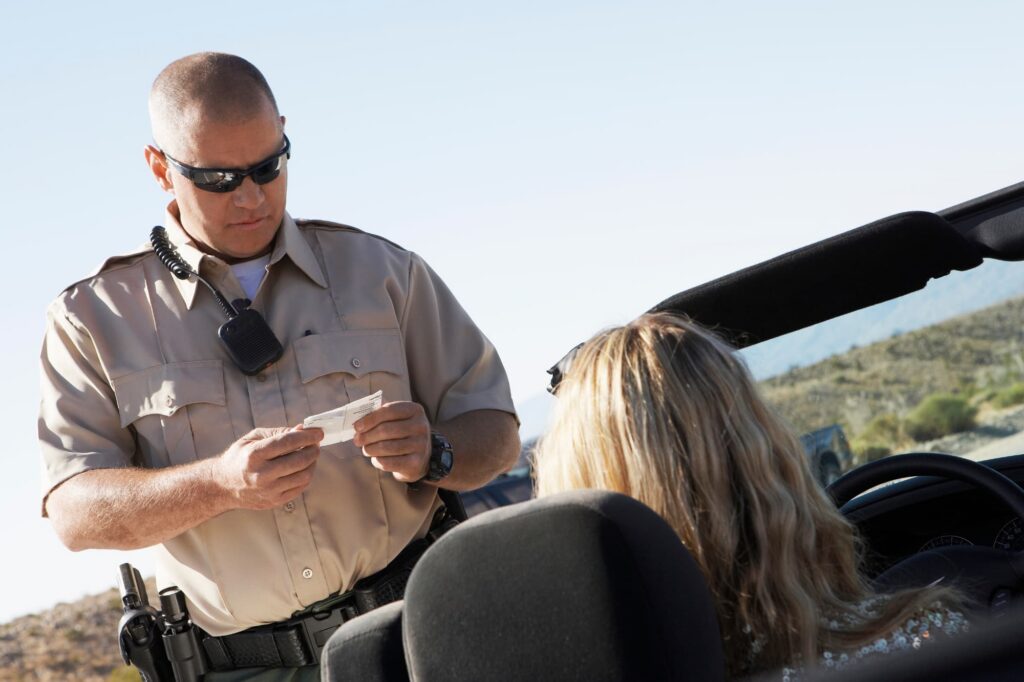
- During a traffic stop, does handing an unlocked phone to an officer create opportunities for illegal searches?
- How can Americans protect against scope creep, once law enforcement has access to their devices for ID verification?
What comes next for digital licenses?
The implementation of these IDs varies widely by state. In Louisiana, the digital license fully replaces your physical card for driving. In Georgia, on the other hand, state law still requires drivers to carry their physical licenses when operating a vehicle, even if they have the digital version.
Some states have developed their own dedicated apps, but others have integrated exclusively with commercial digital wallets. California offers its own DMV Wallet App alongside Apple and Google Wallet options. Most states with programs have opted for integration with Apple Wallet, Google Wallet, or both, with several also supporting Samsung Wallet.
This shows a lack of standardization. What happens in one state doesn’t carry over into another. If you’re from a state with a digital ID, but you travel to one without, you will still need a traditional ID card. You’ll still need your physical license for many situations.
International use is extremely limited. Many businesses don’t have the equipment to verify digital IDs. And despite the TSA’s acceptance, the agency still strongly encourages passengers to carry physical identification.
Things to consider before adopting a digital ID
If your state offers a mobile driver’s license, that doesn’t mean you have to make a choice between embracing the future or clinging to the past. Rather, you’re deciding whether the convenience is worth participating in a system whose full implications aren’t yet clear.
Check what privacy protections your state has actually written into law. Illinois, for instance, specifically prohibits mandatory digital ID use and states that displaying your digital license doesn’t constitute consent to search your phone. Other states might not have those safeguards. Look at whether your state uses the ISO standard with phone-home capability or has opted for privacy-preserving alternatives.
What are your personal risks?
It’s important to think about your own threat model.
For the most part, using a digital ID is a mostly secure decision. These platforms are well-designed and protected. However, privacy-focused individuals are concerned about government surveillance, potential privacy violations, identity theft, and corporate data collection may decide that it’s not worth it to participate in a digital ID program.
Digital driver’s licenses offer genuine convenience and some real security improvements over plastic cards. At the same time, they also create surveillance infrastructure that privacy advocates warn could fundamentally alter the relationship between citizens and government. Both things are true simultaneously.
The technology will likely continue spreading regardless of these concerns. After all, the momentum is already there, backed by powerful corporate interests and government efficiency goals. But understanding what you’re actually opting into matters. This isn’t just about whether you prefer your wallet or your phone. It’s about what kind of identity verification system we’re building and who benefits from it.
Related Articles
- All
- Easy Prey Podcast
- General Tech Topics, News & Emerging Trends
- Home Computing to Boost Online Performance & Security
- IP Addresses
- Networking Basics: Learn How Networks Work
- Online Privacy Topics to Stay Safe in a Risky World
- Online Safety
- Uncategorized
What is ID.me? One Day, You Might Need to Know.
If a friend asked you, what is ID.me, would you be able to answer? You really should,...
[Read More]
A Former Fraudster’s Tips for Protecting Your Personal Information in a Connected World
Technology is evolving so fast and is ever increasingly integrated into our world. It’s becoming less and…
[Read More]
Awareness and Safety Go Hand-in-Hand: Tips to Protect Yourself
Scams are often (though not always) technology-based, and physical danger happens in the physical world. But both…
[Read More]
We Created EasyPrey.com Scam Help Page to Help You
WhatIsMyIPAddress.com and our sister website, EasyPrey.com, focus on providing content and links to information and resources for...
[Read More]
EasyPrey.com Resources for Scam Victims
We’ve compiled a list of resources for all victims (and near victims) of scams, fraud, and identity…
[Read More]
The BBB Scam Resources Are There to Help You!
The Better Business Bureau is on YOUR side, helping consumers with real-time scam tracking, which you can...
[Read More]